
Decision Tree Research is an independent research and analysis firm that specializes in strategic technologies, public policy, and geopolitics.
“Allen has been a must-read.”
“Very much at the center of the formulation of current U.S. policy.”
“The most-watched U.S. analyst on the subject.”
Subscribe to Gregory C. Allen’s newsletter for timely, evidence-based analysis of the big policy debates in AI, semiconductors, and defense tech.
Our areas of focus

AI capability has become a measure of national power and a geopolitical race for superiority. The competition covers frontier model development, U.S.–China rivalry, industrial policy, export controls, military integration, and the international safety and governance architecture forming around them.

Chips have become the new oil. The contest for silicon supply chain security spans advanced chips, the equipment and materials that produce them, and the export controls and industrial policy reshaping the global industry.
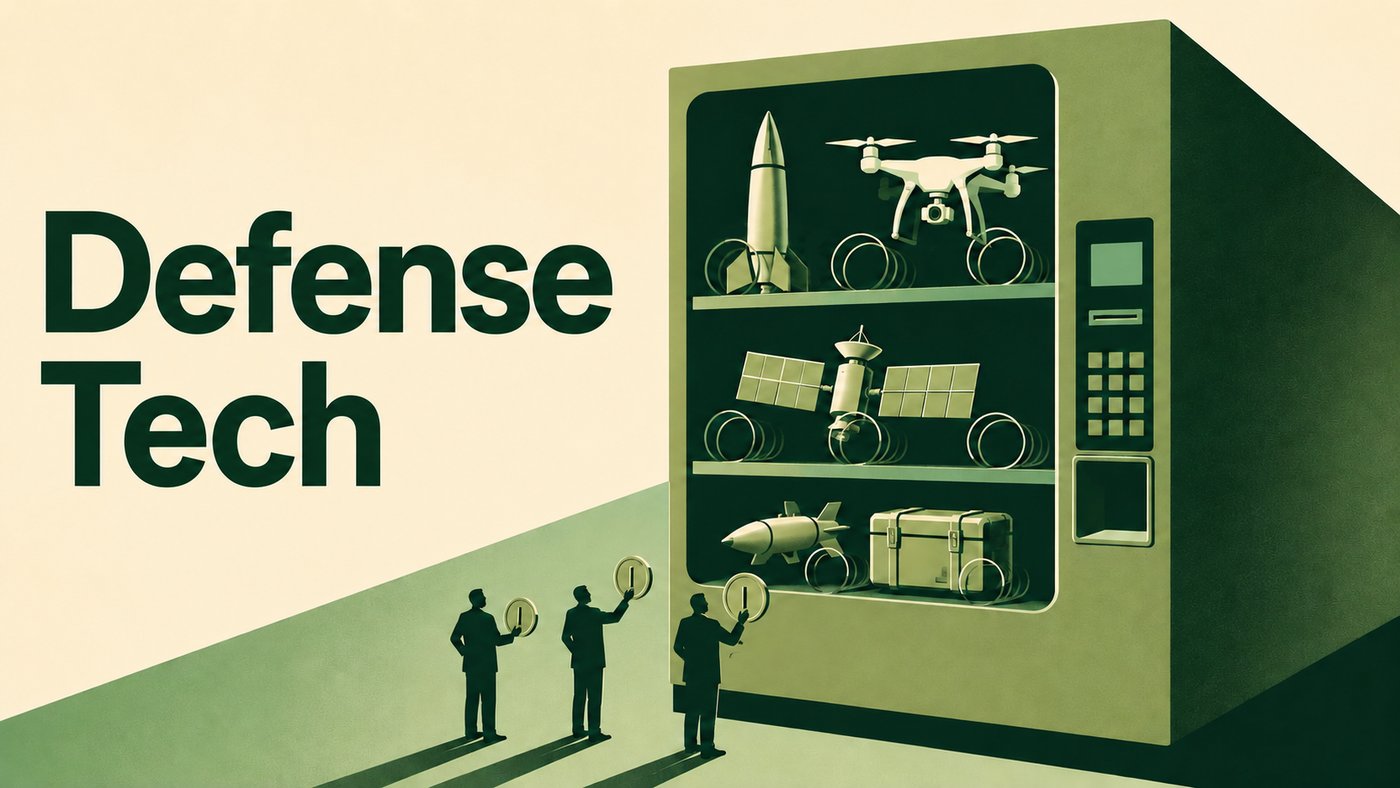
The defense industrial base is being rewritten by a new generation of commercial AI and space firms. Military AI, autonomous weapons, drones, and the commercial space revolution are reshaping the strategic balance.
Featured research
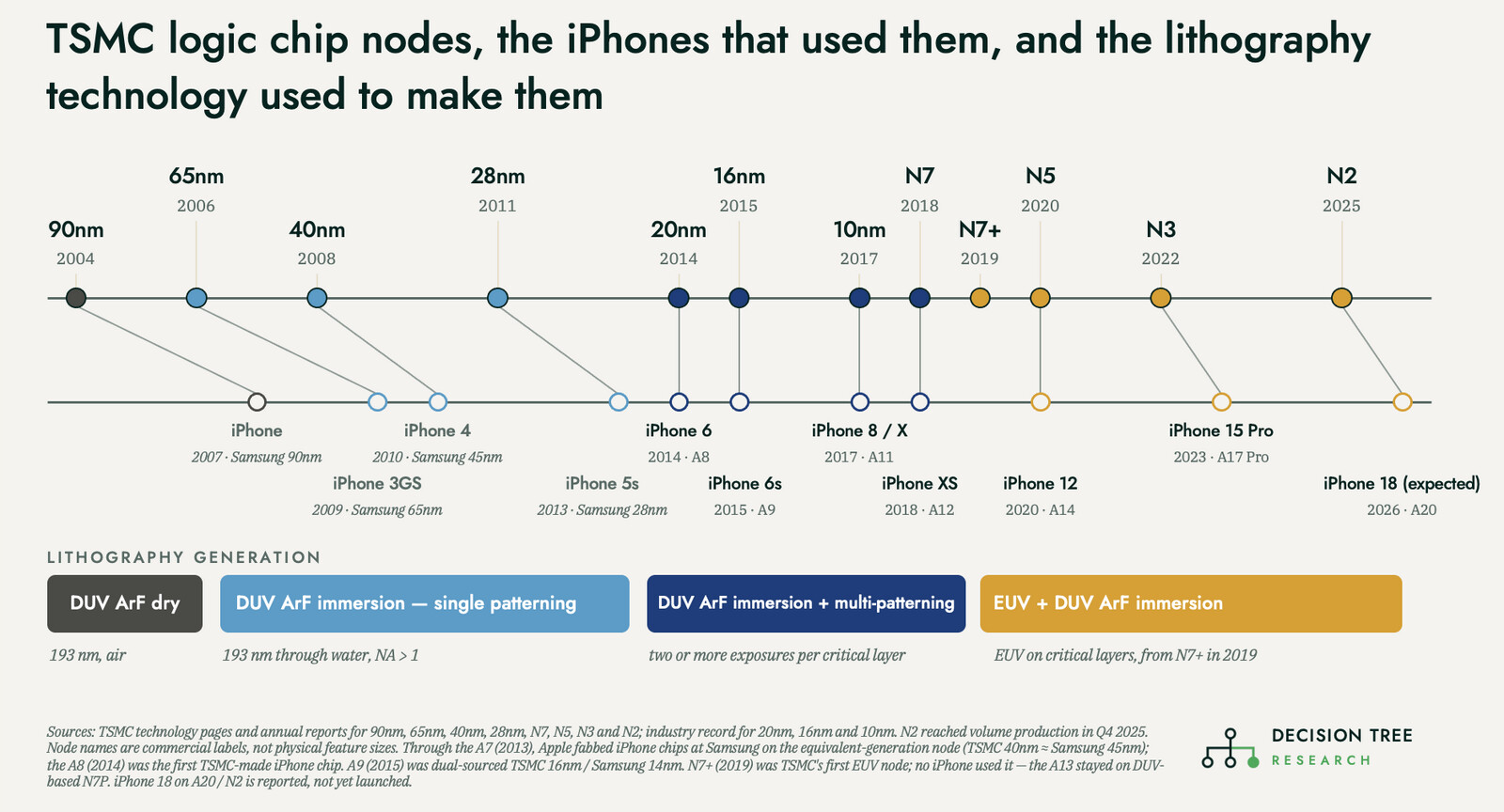
How Big Is China’s Reported DUV Semiconductor Lithography Breakthrough?
China’s first domestically produced immersion DUV lithography tools are real — but the breakthrough is smaller than the drop in ASML’s share price implied, and bigger than China’s official silence suggests.
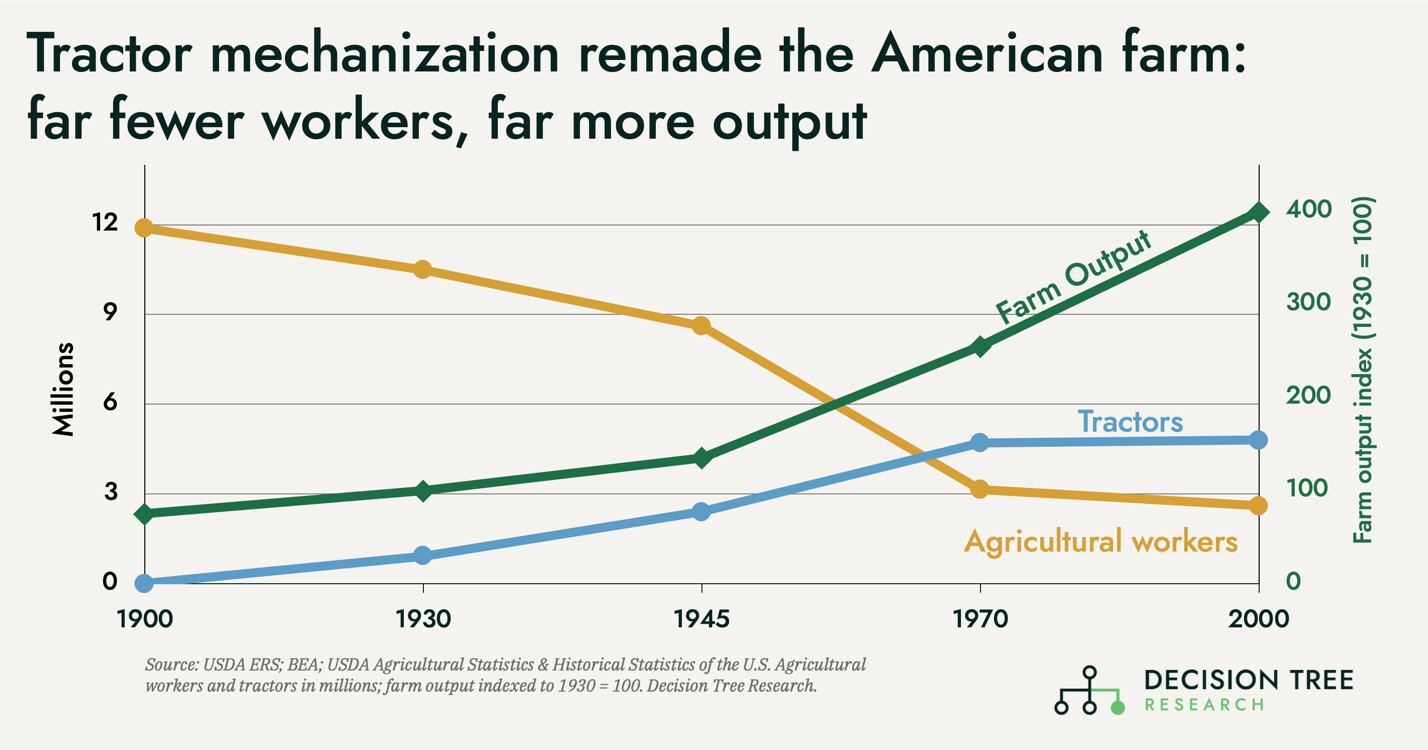
Four keys to understanding the future of AI and unemployment
A data-driven crash course in the most illuminating historical analogies for AI and employment — from farm mechanization and the fate of the horse to the economics of music and chess.
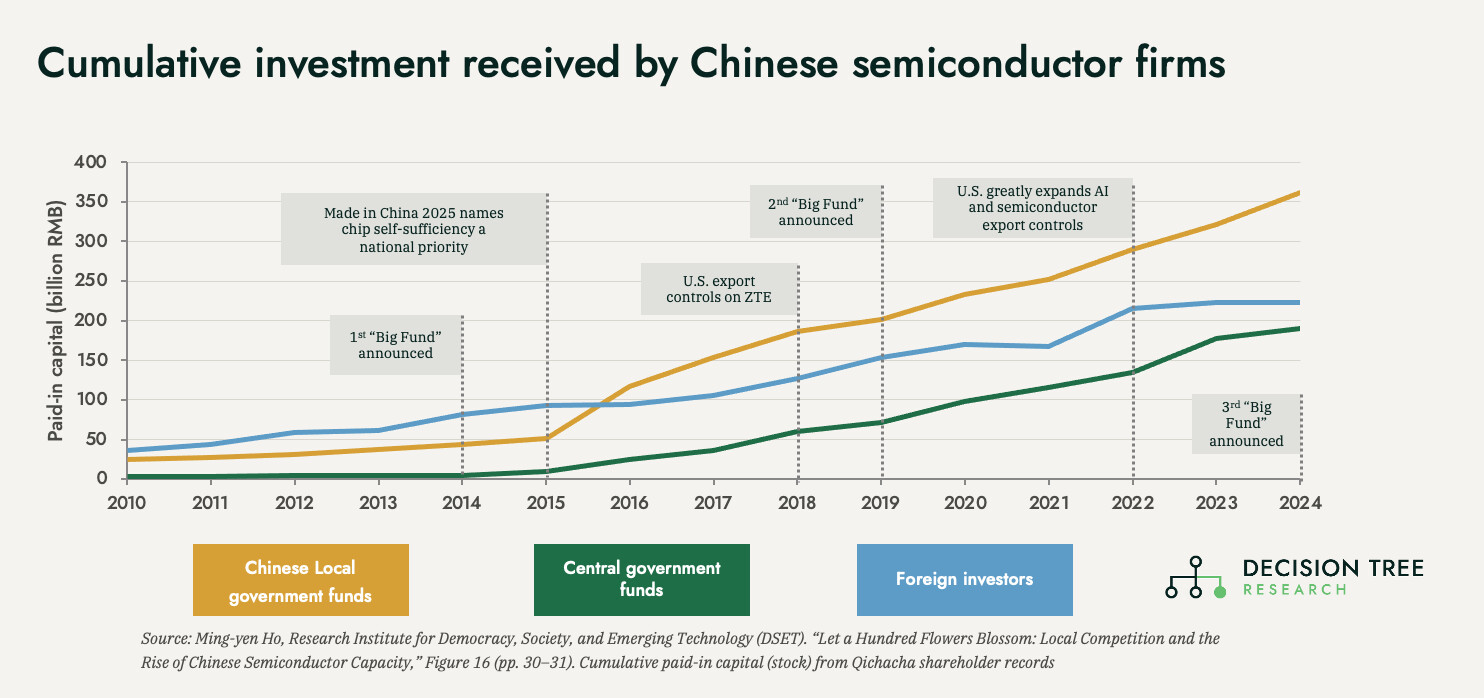
How Much Did U.S. Semiconductor Export Controls Accelerate China’s Push for Self-Sufficiency?
In terms of Chinese government subsidies, not at all: investment data shows a semiconductor self-sufficiency push that was already running at full speed before U.S. export controls arrived.
From The AI Power Podcast
Weekly episodes on AI policy, semiconductors, and the U.S.–China technology competition — hosted by Gregory C. Allen.
Who Checks the AI Labs? Independent Verification with Andrew Freedman
Greg’s interview with Andrew Freedman, Co-Founder and CEO of Fathom, on how independent verification organizations went from a policy idea to law in California and Connecticut. They cover what Americans say about who should oversee AI, whether IVOs would have stopped the Hugging Face incident, the administration’s case for liability over certification, and the FRONTIER Act’s odds in Congress.
Listen →Trump’s New AI Czar + Nvidia Exec Caught Smuggling Chips to China
Greg and Adam Goodwin break down recent AI policy updates out of the White House – the appointment of Jay Clayton as the new AI czar, and the assembly of a new “Super Intelligence Task Force.” They discuss how the task force’s makeup and the administration’s policy evolution has shifted, but is still hesitant to embrace the kinds of AI safety frontier labs are calling for.
Listen →China reaches Mythos-tier Cyber AI + White House AI Accord + Trump/Xi Debrief
Greg and Jack Conlin recap the modest outcomes of the U.S.–China summit and Trump’s UN General Assembly speech, then turn to the White House Accord on Super Intelligence, the voluntary “morally binding” safety framework signed by leading U.S. AI companies. Greg also breaks down the Anthropic and CAISI reports that Z.ai’s openly downloadable GLM 5.3 has reached Mythos-tier cyber capability, about four months behind the U.S. frontier, and why OpenAI withheld GPT-6.1 Astra.
Listen →Why “Decision Tree”?
The decision tree is one of the most useful analytical tools in three disciplines that rarely meet: Machine Learning & AI, Corporate Strategy, and Government Policy Analysis.
In machine learning, the decision tree is foundational to how models classify and predict. In business strategy, it structures operations planning, capital allocation, and risk decisions. In policy analysis, it maps the consequences of regulation, sanctions, and other interventions through complex systems.
Gregory C. Allen’s career has spanned all three. The firm’s name signals the methodology that runs through the work: enumerate the decisions, trace the branches honestly, find the paths that carry the most consequence, and reason rigorously before acting. Decision Tree Research applies that discipline to our analysis of the technologies shaping global power competition.
Built on a body of work
Before founding Decision Tree Research, Gregory C. Allen authored some of the most impactful analysis in U.S. AI policy — at CSIS, the Department of Defense Joint Artificial Intelligence Center, the Center for a New American Security, and the Belfer Center for Science and International Affairs at Harvard Kennedy School.